Gdańsk has more good museums than it has days to give most visitors. There is a world-class war museum, the place where the Solidarity movement was born, a Renaissance town hall, a medieval port crane you can walk inside, a Flemish masterpiece that was once war loot, and a brand-new museum in the very post office where the first Polish defenders of 1939 were shot. The problem is not finding something worth seeing. It is that the city's museums are run by three different institutions with three different closing days, and visitors who do not know that routinely turn up at a locked door. This guide sorts them out: what each museum is actually like, who it suits, what it costs in 2026, and which day of the week to go.
Key takeaways
- Three operators run most of the museums: the city's Museum of Gdańsk, the National Maritime Museum and the National Museum. Each has its own closing day
- Museum of Gdańsk branches (Town Hall, Artus Court, Uphagen House, Amber Museum): free on Mondays, closed on Tuesdays
- The new Museum of the Polish Post Office is the exception: open every day including Tuesday, 15 zł
- The Amber Museum has moved from the Prison Tower to the Great Mill and now stays open until 18:00
- National Maritime Museum (Crane, Sołdek, Maritime Culture Centre): closed Mondays, free permanent exhibitions on Wednesdays from 13:00
- Museum of the Second World War: 33 zł, closed Mondays, free on Tuesdays 10:00 to 16:00 with long queues
- A 90-day pass to all Museum of Gdańsk branches costs 160 zł, which only pays off if you visit five or more
In this guide
- How Gdańsk's museums are organised
- The Museum of the Second World War
- The European Solidarity Centre
- The Museum of Gdańsk branches
- The National Maritime Museum and the Crane
- The National Museum and Memling's Last Judgment
- The week planner: which museum on which day
- Choosing by interest
- Museums beyond the city
- Practical tips
- FAQ
1. How Gdańsk's museums are organised
The first thing to understand is that "the museum" in Gdańsk usually means one of three umbrella institutions, each running several buildings across the city, plus two big standalone museums.
- Museum of Gdańsk (Muzeum Gdańska), run by the city. It looks after the historic interiors of the Main Town: the Main Town Hall, Artus Court, Uphagen House, the Prison Tower, plus the Amber Museum, the Museum of the Polish Post Office, Wisłoujście Fortress, the Guardhouse at Westerplatte and a few smaller seasonal sites. Its rule: closed Tuesdays, free Mondays.
- National Maritime Museum (Narodowe Muzeum Morskie), the state maritime museum. In Gdańsk it runs the Crane, the main exhibition halls on Ołowianka island, the steamship Sołdek and the interactive Maritime Culture Centre. Its rule: closed Mondays, free on Wednesdays for the permanent exhibitions.
- National Museum in Gdańsk (Muzeum Narodowe), the art museum, with old masters in a former Franciscan monastery just south of the Main Town, modern art in the Abbots' Palace in Oliwa and temporary exhibitions in the Green Gate. Its rule: closed Mondays.
- The two big standalones: the Museum of the Second World War (closed Mondays) and the European Solidarity Centre.
The practical consequence is simple. Monday and Tuesday are the awkward days, because on each of them a different half of the city's museums is shut. Build your plan around that and everything else falls into place.
2. The Museum of the Second World War
If you have time for only one museum in Gdańsk, this is the one. The building itself is a statement: a tilted red tower rising from the riverbank north of the Main Town, with the main exhibition buried fourteen metres underground. It is not a museum of battles and tanks, although it has both. It is a museum about what the war did to ordinary people, told largely from a Polish and Central European point of view that many Western visitors have never encountered. Recreated streets, personal belongings, film and testimony take you from the rise of totalitarianism through occupation, terror and genocide to the aftermath. Most people come out quieter than they went in.
Allow at least three hours; four is more realistic if you read properly. Tickets are 33 zł standard and 23 zł reduced, a family ticket is 72 zł, and the audio guide is 12 zł and worth it. The main exhibition runs 10:00 to 18:00, with the ticket desk closing at 17:00. It is closed on Mondays. On Tuesdays entry is free from 10:00 to 16:00, but there is a daily cap, queues can reach two hours, and Tuesday is the short day, so free entry costs you more time than it saves money. It is not suitable for young children; the museum itself advises care with under-twelves.
The museum also runs the outdoor site at Westerplatte and an exhibition in the former power station there, open 10:00 to 16:00. Our complete WWII Museum guide covers the layout, the sections not to rush, and where to take a break.
3. The European Solidarity Centre
The rust-coloured, ship-hull building at the gate of the former Lenin Shipyard tells the story of August 1980, when a strike at this yard grew into Solidarity, the first independent trade union in the Soviet bloc and the movement that, nine years later, helped bring down communism across Central Europe. The permanent exhibition walks you through the strike hall, the crane operator's cab, the wooden boards on which the strikers' 21 demands were written by hand, and the long road to the partly free elections of 1989.
Where the WWII Museum is heavy, the European Solidarity Centre is, in the end, hopeful. It works best for visitors interested in the last fifty years rather than the last hundred, and it pairs naturally with a walk through the historic shipyard gate, the three crosses of the Monument to the Fallen Shipyard Workers and the post-industrial quarter behind it. Allow two to three hours. Tickets are sold online and at the desk; the library, the roof garden and parts of the building are free to enter. Our European Solidarity Centre guide has the details.
The two museums are about a fifteen-minute walk apart, through the Old Town. Doing both in one day is possible but tiring; most people are better off splitting them across two.
4. The Museum of Gdańsk branches
This is where the city's Hanseatic past lives. Most of these branches sit within a few hundred metres of each other on the Royal Way, and most share the same timetable: Monday 10:00 to 16:00 with free entry, closed Tuesday, Wednesday to Sunday 10:00 to 16:00, Thursday until 18:00.
Main Town Hall
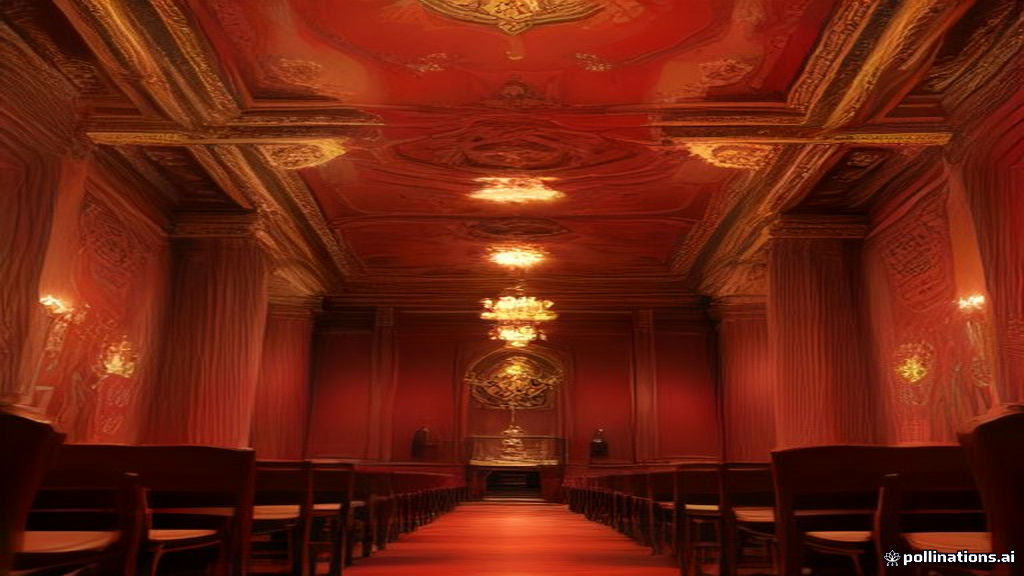
The tall-spired town hall on Long Street is the city's showpiece interior. The Red Room, the council chamber, is one of the finest Renaissance rooms in northern Europe, its ceiling covered in paintings with the Apotheosis of Gdańsk at the centre. Upstairs are exhibitions on the city's history and its wartime destruction. Tickets are 26 zł standard, 19 zł reduced, family 70 zł, audio guide 10 zł. The tower is open in summer only. If you only go inside one building on the Royal Way, make it this one.
Artus Court
Across Long Market, behind the Neptune Fountain, Artus Court was where Gdańsk's merchants met, dined and did business. Its single vaulted hall is full of carved ships, paintings and figures of legend, and it holds what the museum describes as the largest tiled stove in Europe, 10.64 metres high and made of 520 decorated tiles. Same price as the Town Hall, 26 zł standard. It takes 30 to 45 minutes, which makes it an easy add-on.
Uphagen House
At Długa 12, the Uphagen House is an eighteenth-century merchant's home furnished as it was lived in: tea room, salon, dining room, music room, and the kitchens downstairs. It is the best place in the city to imagine everyday life behind the famous facades. Again 26 zł standard, and usually much quieter than the Town Hall.
The Amber Museum, now in the Great Mill
Older guides, including some of ours, place the Amber Museum in the Prison Tower at the head of Long Street. It has moved. The new, multimedia Amber Museum is in the Great Mill (Wielki Młyn, Wielkie Młyny 16), the huge brick mill in the Old Town, and it is a big upgrade: around a thousand exhibits, from raw lumps of amber and inclusions with trapped insects and plants, to old masterpieces and contemporary art on the floor above. It also keeps longer hours than the other branches: 10:00 to 18:00, free on Mondays, closed on Tuesdays. Tickets are 37 zł standard, 26 zł reduced, family 99 zł. Visit it before you shop on Mariacka Street; our amber shopping guide explains why.
The Prison Tower
The Prison Tower and Torture House at the western end of the Royal Way now hold an exhibition on the rebuilding of Gdańsk after 1945, Gdańsk More Beautiful Than Ever, with a viewing platform at the top. It is a good primer before you walk the street, because almost everything you are about to admire was reconstructed. Tickets are 18 zł standard, 13 zł reduced.
The Museum of the Polish Post Office
On 1 September 1939, while the guns fired on Westerplatte, the Polish postal workers of the Free City of Danzig defended their building for some fifteen hours. Those who survived were later tried and executed. The post office on plac Obrońców Poczty Polskiej has reopened with a new exhibition built around photographs, documents, postal equipment and the personal belongings of the men who were shot. The museum warns that the content is emotionally difficult and that minors must be accompanied. It is small, moving and inexpensive: 15 zł standard, 10 zł reduced, family 38 zł. Crucially, it is open every day, Tuesday included, 10:00 to 18:00, free on Mondays, which makes it the best Museum of Gdańsk branch for a Tuesday.
Further out: Wisłoujście, the Guardhouse and the seasonal sites
Wisłoujście Fortress, at the mouth of the Vistula near Westerplatte, is a rare star-shaped fortress with a medieval lighthouse tower at its heart. It is open all year, Wednesday to Monday 10:00 to 16:00, at 37 zł standard, 26 zł reduced. Guardhouse No. 1 on Westerplatte, one of the key points of the 1939 defence, is a small branch at 8 zł, but it closes for the winter season, as do the Museum of Gdańsk Science in the tower of St Catherine's Church, with its pulsar clock, record-length pendulum and carillon, and the Water Forge in Oliwa, a working seventeenth-century hammer mill. From November to spring, check before travelling for any of these.
Is the 90-day pass worth it?
The Museum of Gdańsk sells a 90-day pass for 160 zł (110 zł reduced) covering all its branches. Add up the single tickets: Town Hall 26, Artus Court 26, Uphagen 26, Amber 37 and Wisłoujście 37 come to 152 zł. So the pass only beats single tickets if you are visiting at least five branches, including both 37 zł sites. For most visitors the cheaper trick is to do the Royal Way interiors on a Monday, when they are free.
5. The National Maritime Museum and the Crane
Gdańsk was a port before it was anything else, and the National Maritime Museum tells that story across several sites facing each other over the Motława.
- The Crane (Żuraw), the medieval port crane on Długie Pobrzeże, is the one everyone photographs. Inside you can see the giant wooden treadwheels that men walked to lift cargo and ships' masts, and exhibitions on port life. Open Tuesday and Thursday to Sunday 9:00 to 17:00, Wednesday 13:00 to 17:00, closed Mondays.
- The main exhibition halls on Ołowianka island, across the river, cover Polish maritime history from dugout boats to modern shipbuilding.
- Sołdek, moored next to them, was the first ocean-going ship built in post-war Poland; you can climb through the engine room and the crew quarters. It is seasonal, with the 2026 season running to 31 October.
- The Maritime Culture Centre on Tokarska street has the interactive hall that children love, with hands-on displays about how ships float, steer and sail.
A single-branch ticket is 23 zł standard, 17 zł reduced. Combos are better value: the main museum plus Sołdek is 39 zł; the main museum, Sołdek, the Crane and the Maritime Culture Centre is 64 zł, or 82 zł with the interactive hall. On Wednesdays the permanent exhibitions are free (the third floor excepted), but note that Wednesday is also the short day, opening only at 13:00. Last entry is 60 minutes before closing. Tickets are also sold for the tall ship Dar Pomorza in Gdynia, a branch of the same museum, covered in our Gdynia day trip guide.
6. The National Museum and Memling's Last Judgment
The one painting in Gdańsk that art lovers cross Europe for is Hans Memling's Last Judgment, a fifteenth-century Flemish triptych with one of the great stories in art history. Commissioned in Florence, it was captured at sea in 1473 by a Gdańsk privateer and given to St Mary's Church, taken by Napoleon's troops to Paris, returned, carried off again by the Soviet army in 1945, and finally sent back to Gdańsk in 1956. It hangs today in the Department of Early Art of the National Museum, in a former Franciscan monastery at Toruńska 1, a ten-minute walk south of the Main Town.
The rest of the collection, Gdańsk furniture, goldsmiths' work, Dutch and Flemish painting, is very good and very quiet; on a weekday you may have rooms to yourself. Opening hours are Tuesday to Sunday, 10:00 to 17:00, closed Mondays. The museum's modern-art branch is in the Abbots' Palace in Oliwa Park, which combines easily with the cathedral organ; see our Oliwa guide. Ticket prices vary by branch and by temporary exhibition, so check the museum's own site for the day you plan to go.
7. The week planner: which museum on which day
This is the part to screenshot. Times are the standard October 2026 hours; holidays below.
- Monday: Museum of Gdańsk branches open and free: Main Town Hall, Artus Court, Uphagen House, Amber Museum, Post Office, Wisłoujście. Closed: WWII Museum, National Maritime Museum including the Crane, National Museum. The ideal day for the Royal Way interiors.
- Tuesday: Museum of Gdańsk branches closed, except the Post Office, which is open. WWII Museum free 10:00 to 16:00, with queues. National Maritime Museum and National Museum open. A good day for the Crane, Memling and the European Solidarity Centre.
- Wednesday: everything open. The National Maritime Museum's permanent exhibitions are free, but only from 13:00. The best all-round museum day.
- Thursday: everything open, and the Main Town Hall, Artus Court and Uphagen House stay open until 18:00 instead of 16:00.
- Friday to Sunday: everything open, but weekends are the busiest days at the WWII Museum. Arrive at opening.
Holidays: the Museum of Gdańsk is closed on 1 November, 24 to 26 December, 31 December and 1 and 6 January, and most other museums also close on 1 and 11 November and over Christmas. If your trip falls in the second half of November or December, the Christmas market on Targ Węglowy and Long Street makes the Royal Way crowded in the evenings; plan the indoor sights for the morning. Our best time to visit guide has the full calendar.
8. Choosing by interest
Nobody needs all of these. Here is how we would choose.
- Twentieth-century history: the WWII Museum, then Westerplatte and the Post Office, which together tell the story of the first day of the war. Add the European Solidarity Centre for the end of the story.
- The old merchant city: the Main Town Hall, Artus Court and Uphagen House, ideally on a Monday when all three are free. The Prison Tower first if you want the reconstruction story.
- Amber: the Amber Museum in the Great Mill, then the shops on Mariacka.
- Ships and the sea: the Crane plus the 64 zł combo, then Dar Pomorza in Gdynia.
- Art: Memling in the National Museum, then the modern collection in Oliwa.
- Children: the interactive hall at the Maritime Culture Centre, Sołdek in season and the Hevelianum science centre on Góra Gradowa. Skip the WWII Museum with young children. Our Gdańsk with kids guide has more.
- A wet day: the WWII Museum alone fills one. See our rainy day guide for the rest.
9. Museums beyond the city
Two of the most important museums in the region are outside Gdańsk, and both are hard to do well by public transport.
Malbork Castle, the vast brick fortress of the Teutonic Knights and a UNESCO World Heritage Site, is a museum in its own right and needs a full half-day inside. By train it is about 40 minutes to Malbork, then a walk across the river; with a private driver, a Malbork Castle tour takes 5 to 6 hours from your hotel with the entry ticket included. Our Malbork day trip guide compares the options.
The Stutthof Museum, on the site of the former German concentration camp about 35 kilometres east of Gdańsk, is the most important memorial in the region and deserves a calm, unhurried visit. Our Stutthof guide explains how to get there and what to expect. And in Gdynia, the Emigration Museum in the old harbour station is one of the best modern museums on the coast.
Closer in, Westerplatte and Wisłoujście Fortress are inside the city limits but about ten kilometres from the Main Town by road. City buses get you there; allow half a day. A private Westerplatte and Old Town tour covers the peninsula and the centre in 4 to 5 hours with hotel pickup.
10. Practical tips
- Ticket desks close early. The Museum of Gdańsk stops selling 45 to 60 minutes before closing, the National Maritime Museum 60 minutes before, the WWII Museum at 17:00 for an 18:00 close. A 15:30 arrival at the Town Hall is too late.
- Reduced tickets are for school pupils, students and pensioners with valid ID. Bring the card; desks do check.
- Audio guides are 10 zł at the Main Town Hall and 12 zł at the WWII Museum, and in both cases improve the visit considerably.
- Walking distances: the Town Hall, Artus Court, Uphagen House and the Crane are all within ten minutes of each other. The Amber Museum, the WWII Museum, the Post Office and the European Solidarity Centre are a further ten to fifteen minutes north. The National Museum is ten minutes south. You do not need transport for any of them.
- Budget: a serious museum day, say the WWII Museum and the Town Hall, costs under 60 zł in tickets. Our trip cost guide puts it in the context of a full budget.
- Getting in from the airport: bus 210 and the PKM train are cheap; a fixed-price transfer to the Main Town is €30 for the whole car and takes about 20 minutes. More in our guide to getting around Gdańsk.
If you are building a whole day around museums, our one day in Gdańsk itinerary shows how to fit one big museum around the Royal Way, St Mary's tower and the river, and things to do in Gdańsk covers everything that is not behind a ticket desk.
Frequently Asked Questions
What is the best museum in Gdańsk?
For most visitors it is the Museum of the Second World War, one of the most powerful history museums in Europe. Allow at least three hours; tickets are 33 zł and it is closed on Mondays. If your interest is the city's golden age rather than the twentieth century, the Main Town Hall with its Renaissance Red Room is the best single interior.
Which museums in Gdańsk are free, and when?
The Museum of Gdańsk branches, including the Main Town Hall, Artus Court, Uphagen House and the Amber Museum, are free on Mondays. The National Maritime Museum's permanent exhibitions are free on Wednesdays from 13:00. The Museum of the Second World War is free on Tuesdays from 10:00 to 16:00, with a daily cap and long queues.
Are museums in Gdańsk open on Mondays?
Only some. The city-run Museum of Gdańsk branches are open and free on Mondays, but the Museum of the Second World War, the National Maritime Museum including the Crane, and the National Museum are all closed. On Tuesdays it is the other way round: the Museum of Gdańsk branches close, except the Post Office, while the others are open.
Where is the Amber Museum in Gdańsk now?
The Amber Museum has moved from the Prison Tower to the Great Mill at Wielkie Młyny 16 in the Old Town. It is open 10:00 to 18:00, free on Mondays and closed on Tuesdays, and tickets are 37 zł standard and 26 zł reduced. The Prison Tower now holds an exhibition about the rebuilding of Gdańsk after 1945.
Is the Museum of Gdańsk 90-day pass worth it?
Only if you plan to visit at least five branches. The pass costs 160 zł, while the Main Town Hall, Artus Court, Uphagen House, the Amber Museum and Wisłoujście Fortress together cost 152 zł in single tickets. For most visitors, going on a Monday when the branches are free is the better deal.
Where can I see Memling's Last Judgment?
Hans Memling's Last Judgment hangs in the Department of Early Art of the National Museum in Gdańsk, in a former Franciscan monastery at Toruńska 1, about ten minutes' walk south of the Main Town. The museum is open Tuesday to Sunday from 10:00 to 17:00 and closed on Mondays.
How many museums can I see in one day in Gdańsk?
Realistically one big museum and one or two small ones. The Museum of the Second World War alone takes three to four hours. A comfortable museum day is the WWII Museum in the morning and the Main Town Hall or Artus Court in the afternoon, remembering that the Town Hall stops selling tickets before 16:00 on most days.